Apple could be preparing one of its most significant iPhone upgrades in recent years, with reports suggesting that the entire iPhone 17 lineup will feature 120Hz displays. If true, the move—expected with the fall 2025 launch—would mark the first time this high-refresh-rate technology appears on all models, not just the premium Pro series.
Currently, standard iPhone models are limited to 60Hz refresh rates, a specification that trails behind many mid-range Android devices. A jump to 120Hz across the board would offer noticeably smoother visuals, from scrolling and gaming to navigating iOS animations, enhancing the overall user experience for all buyers.
Possible Differences Between Standard and Pro Models
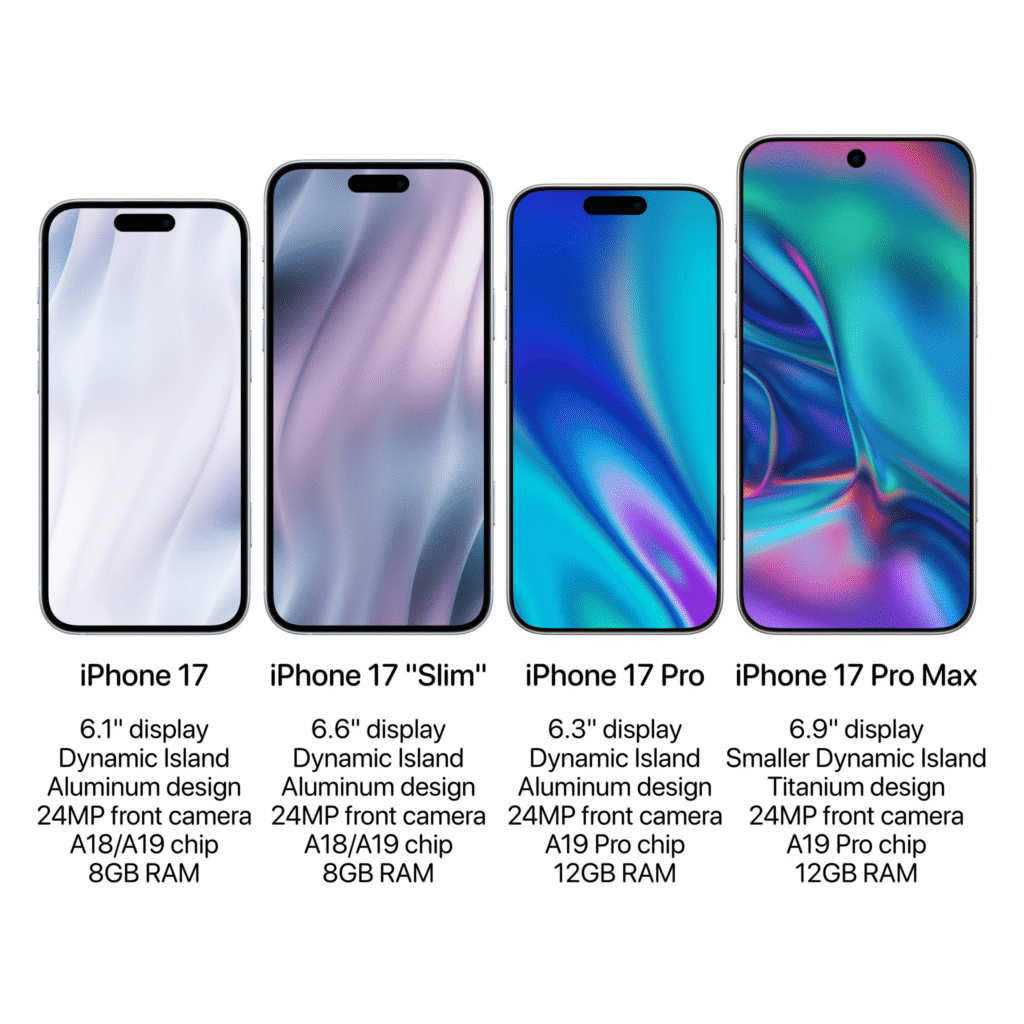
Industry analysts and supply chain leaks indicate that while all iPhone 17 models may gain 120Hz panels, there could be a distinction in technology. The iPhone 17 and rumored “iPhone 17 Air” might use LTPS displays offering a fixed 120Hz rate, providing fluid motion but lacking the adaptive refresh range found in Pro models.
Pro variants are expected to retain “ProMotion” technology—Apple’s LTPO-based system that adjusts refresh rates dynamically between 1Hz and 120Hz. This not only improves power efficiency but also enables features like the Always-On display. Non-Pro models may miss out on these battery-saving benefits.
Benefits of 120Hz for Users
For everyday use, the jump to 120Hz offers:
- Smoother scrolling through web pages, feeds, and documents.
- More immersive gaming with faster response and reduced motion blur.
- Fluid animations when navigating iOS or switching between apps.
These changes would be instantly noticeable to anyone upgrading from a 60Hz iPhone.
Expected iPhone 17 Lineup
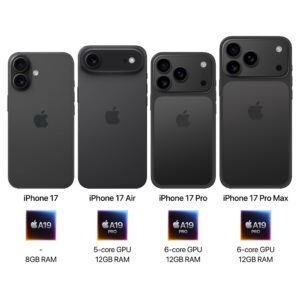
Apple’s 2025 lineup is rumored to include four models:
- iPhone 17
- iPhone 17 Air — a potential replacement for the Plus, with a thinner design.
- iPhone 17 Pro
- iPhone 17 Pro Max
This strategy could unify the visual experience across all devices while still giving Pro models a technological edge.
Market Impact
Analysts believe this shift addresses long-standing criticism that Apple’s non-Pro iPhones lag behind rivals in display technology. Making high-refresh-rate screens standard could strengthen the value proposition for buyers of the base models, particularly in competitive markets where Android devices have offered 120Hz for years.
As with all pre-launch reports, these details remain speculative until Apple’s official unveiling, likely in September 2025. However, if confirmed, the change would signal a major evolution in Apple’s approach—bringing premium visual performance to every new iPhone owner.