China is mounting a multi-pronged pushback against escalating U.S. tariffs, combining diplomacy, economic resilience, and technological self-reliance.
Beijing is pressing Washington to ease export controls on high-bandwidth memory (HBM) chips—crucial for AI and firms like Huawei—as part of ongoing negotiations ahead of a possible Trump–Xi summit. It is also defending continued oil purchases from Russia and Iran despite U.S. sanctions pressure, calling it a matter of sovereignty.
July 2025 trade data showed a 7.2% year-on-year export growth, even as U.S.-bound shipments fell 22%, suggesting firms front-loaded goods before tariffs. Semiconductor giant SMIC reported steady revenue despite a 100% U.S. chip import levy, citing strong domestic demand.
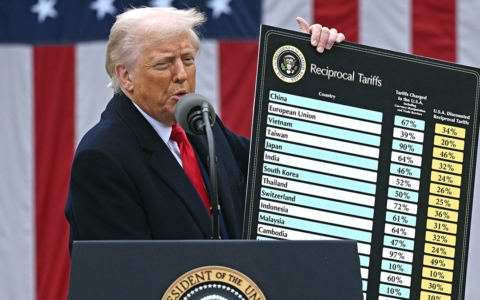
China has retaliated with tariffs up to 125% on U.S. goods, filed WTO complaints, and imposed anti-dumping duties, especially on agricultural imports.
Under its “Made in China 2025” plan, Beijing continues advancing EVs, solar, and high-speed rail technologies, securing dominance in multiple sectors despite U.S. pressure.
Analysts see the approach as a balance of assertive defense and forward-looking innovation to safeguard China’s global economic position.