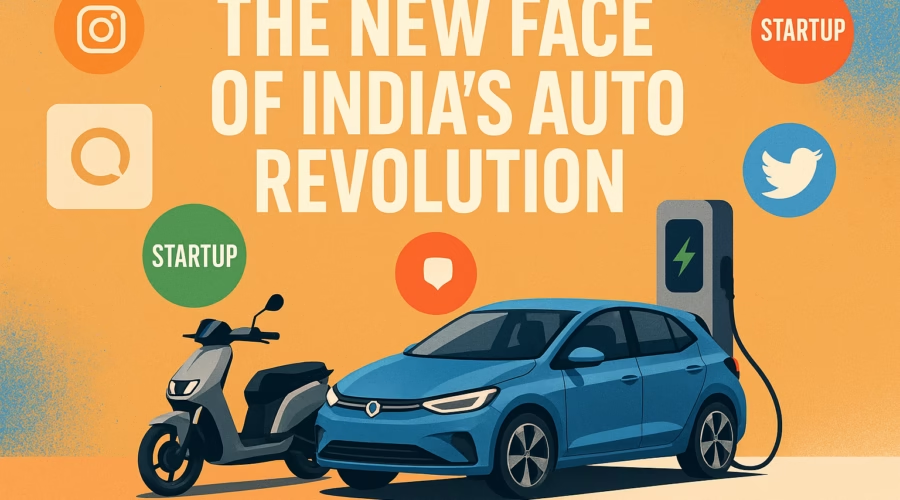
India’s auto sector is quietly entering a new phase of transformation — one that’s being noticed more on social media than in mainstream headlines. Beneath the surface of big car launches and luxury imports, a new wave of startups, reforms, and rural demand is reshaping how India moves.
In September 2025, the Indian automobile market recorded steady growth across all segments. Passenger vehicles rose around 4 percent year-on-year, two-wheelers climbed nearly 7 percent, and three-wheelers posted similar gains. The rise was driven not only by festive-season demand but also by smoother business compliance under the revamped GST 2.0 framework.
What’s remarkable is that this renewed energy isn’t just about sales. It’s about where the momentum is coming from — mobility startups, regional manufacturers, and local innovators who are building the next layer of India’s auto ecosystem.
A Silent Shift Gaining Social Voice
While traditional auto headlines still focus on launches and brand rankings, social media tells a different story. Thousands of users are sharing reels, posts, and threads about local innovation — from electric-conversion kits for scooters to affordable AI-driven vehicle diagnostics.
One viral reel showed a farmer in Karnataka arriving at a luxury car dealership in his tractor to buy a premium SUV. What seems like a quirky video is actually symbolic of a larger social shift — rural India’s growing economic confidence and aspiration for high-end mobility.
These stories may not always make it to prime-time business news, but they reflect where India’s new consumer energy lies: in Tier-2 and Tier-3 towns that are embracing both technology and aspiration at once.
Startups and Innovation: The New Growth Engine
India’s mobility ecosystem is seeing a steady influx of new players — from after-sales platforms and EV infrastructure startups to data-driven auto-service networks. Improved cash flow under GST 2.0 and government partnerships with industry leaders are creating fertile ground for innovation.
Even legacy brands are pivoting toward startup collaboration, investing in incubation programs that support homegrown innovation in electric mobility and supply-chain optimization. This blend of tradition and technology is setting the stage for India’s next big automotive leap.
The Role of Policy and Rural Demand
Fiscal reforms and rural demand are together driving a fresh growth cycle. Simplified taxation, incentives for local production, and a focus on “Make in India” have encouraged small and mid-sized manufacturers to scale faster.
At the same time, rural regions — once seen primarily as markets for two-wheelers — are now upgrading to compact SUVs and EVs. Farmers, small-business owners, and regional entrepreneurs are becoming major contributors to the automotive demand curve.
Why the Story Matters
This undercurrent of innovation, consumer aspiration, and social visibility is what’s defining the real pulse of India’s auto sector. While global headlines may focus on major EV launches or corporate investments, the grassroots energy is where India’s auto future is quietly taking shape.
In 2025, mobility in India is no longer just about vehicles — it’s about identity, opportunity, and digital storytelling. Whether it’s an electric scooter startup from Pune, a local manufacturer in Coimbatore, or a viral auto reel from Mysuru, the next phase of India’s automotive growth is being written not just in showrooms — but on screens, stories, and streets across the country.